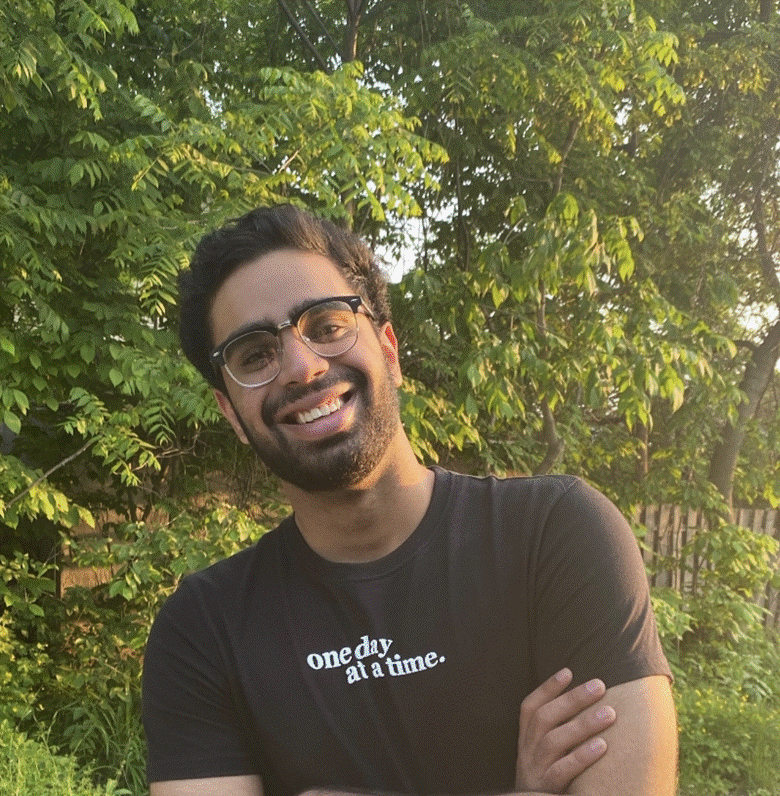
At Green Mind, we believe climate change is not only about rising sea levels, burned forests, or damaged ecosystems. It is also about how people feel when they witness these changes. Climate change affects our sense of safety, our plans for the future, and how we understand our place in the world. It can influence how we sleep, how much hope we have, and how connected we feel to others. Because of this, we wanted to go beyond statistics and news headlines. We wanted to hear directly from the people who are living with the emotional weight of the climate crisis every day. So we went to the streets of downtown Toronto to listen.
Why We Went Into the Community
For one week, our team spoke with more than twenty five people across the city. We met students walking between classes, parents pushing strollers, artists, shop workers, bike couriers, and people simply sitting outside to enjoy a bit of fresh air. We carried a camera and a microphone, but our main tool was our willingness to listen. We asked one question: How has climate change affected your mental or emotional well-being?
The responses were honest, vulnerable, and often deeply emotional. Many people paused before answering. Some looked down at the ground. Others took a long breath. Many told us this was the first time anyone had asked them how they felt, rather than what they thought, about the climate crisis. That moment alone said something important.
Understanding Climate Anxiety
Climate anxiety refers to the worry, stress, fear, or sadness that arises when people think about the future of the planet. This is not simply nervousness about the weather or a single disaster. It is a heavier feeling that comes from knowing the world is changing in ways that may be permanent. It can feel like carrying a weight on your chest or a tightness in your stomach when you see smoke-filled skies, dying trees, or extreme weather on the news. It can make the future seem uncertain or frightening. Many people feel climate anxiety because they care. They care about loved ones, their community, the plants and animals around them, and the idea that future generations should inherit a healthy world.
What We Heard on the Streets of Toronto
Helplessness was one of the most common feelings shared. Many people told us they feel aware of what is happening but unsure how to meaningfully change it. They described scrolling past climate disasters online, feeling shocked, sad, and overwhelmed, yet not knowing what to do next. Some said they feel like they are always waiting for the next disaster, the next heat wave, the next fire season. This constant anticipation creates a low but steady level of stress that can be exhausting over time.
The Weight of Being a Parent
Parents described a particular kind of fear. They worry not only for themselves, but for their children. Some spoke about guilt, wondering whether they can protect their children in a world with rising temperatures and unpredictable weather. Others shared that they are unsure if it is responsible to bring new children into the world at all. These concerns were shared quietly, sometimes with tears, because they are deeply personal. They come from love.
Young People Feeling the Burden
Many young adults expressed that climate change shapes how they imagine their futures. Some are uncertain about long-term plans, like where to live or what kind of work to pursue. Others feel anger and sadness that decisions made in past decades are now shaping their lives, even though they had no say in those choices. A few described feeling older than their age, as if they are carrying a responsibility too heavy for their years.
Searching for Control and Meaning
Despite the heaviness, we also heard stories of resilience. Some people cope by engaging in climate activism or community organizing. For them, taking action creates meaning and reminds them that change is possible. Others find comfort in nature, even in small moments like standing under a tree, touching soil in a garden, or listening to running water. Some people said that spending time with others who feel the same way makes them feel less alone.
What This Means for Us as a Community
Our conversations made one thing clear: climate anxiety is not rare. It is not dramatic. It is not something only activists or scientists feel. It is something ordinary people carry quietly, often without a place to express it.
If we want to face the climate crisis, we must also face the emotional crisis that comes with it. People need space to talk about these feelings. They need communities where they feel supported, understood, and empowered. They need to know that caring is not something they have to handle alone.
Moving Forward Together
Listening to these stories reminded us that caring for the planet also means caring for each other. We must build networks of support that make climate action feel hopeful, not hopeless. We must teach young people that their worry is valid and that they are not powerless. We must create communities where climate emotions are seen, heard, and honored.
Climate action must include emotional care. Without tending to the heart, we cannot sustain the work of tending to the Earth.
Written By
Inaam Chattha